Menu Close

What to expect from counselling

It’s completely normal to have questions when you’re thinking about starting counselling, especially if therapy is new to you.
 
Here, I’ve answered some of the questions people often ask about how therapy works, what your first session might be like, and how you can get started in a way that feels right for you.
 
If there’s a question you’re wondering about that isn’t covered here, you’re always welcome to get in touch.

What to expect from counselling

It’s completely normal to have questions when you’re thinking about starting counselling, especially if therapy is new to you.
 
Here, I’ve answered some of the questions people often ask about how therapy works, what your first session might be like, and how you can get started in a way that feels right for you.
 
If there’s a question you’re wondering about that isn’t covered here, you’re always welcome to get in touch.

Frequently Asked Questions

How does counselling work?

Counselling gives you a confidential space where you can talk openly about your thoughts, feelings and experiences, knowing you’ll be met with understanding and without judgement. Our sessions are led by you, so there’s never any pressure to share more than you feel comfortable with or to talk about anything before you’re ready.
 
Therapy can help you get to know yourself more deeply, make sense of difficult experiences, explore your emotions, and find ways to move through challenges with greater self-understanding and support.
 
As an integrative counsellor, I use different therapeutic approaches depending on what feels most supportive for you, always staying rooted in a person-centred, trauma-informed and neurodivergent-affirming way of working.

What happens in the first counselling session?

Your first therapy session is a gentle space for us to explore what’s brought you to counselling and what you’re hoping for from support.
 
Before starting ongoing sessions, I offer a 50-minute consultation for £30. This is a chance for us to see if working together feels like a good fit for you, with no pressure to continue afterwards.
 
You don’t need to prepare anything in advance or know exactly what to say. Some people come with a clear reason for seeking support, while others just know they want things to feel different.

Do I need to know what to say before starting therapy?

No, you don’t need to have everything figured out or know exactly where to start. Some people come to counselling with something specific they want to talk about, while others just know they’re struggling, feeling overwhelmed, or looking for a space to understand themselves better.
 
There’s no right or wrong way to begin therapy. We can take things gently and explore whatever feels important for you, together.

Where are counselling sessions available?

I offer face-to-face counselling in Bournemouth from a private therapy room in the Lansdowne area, and I welcome people from across Bournemouth and the wider Dorset area, including Westbourne, Southbourne, Winton, Boscombe and Christchurch.
 
I also offer online and telephone counselling across the UK, so you can access support from wherever feels most comfortable and accessible for you. This includes people in cities like London, Manchester, Birmingham, Wales, Scotland, and those in more rural areas where local therapy options might be limited.
 
You can choose the type of counselling that feels most supportive for you and your needs.

What can I talk about in counselling?

You’re welcome to bring whatever feels important to you. This could be anxiety, trauma, burnout, low self-esteem, relationship difficulties, exploring your identity, neurodivergent experiences, grief, stress or simply a sense that something just doesn’t feel right.
 
Some people come with something specific they want to work on, while others use therapy as a space to reflect, process experiences, or get to know themselves better. No issue is too small or not ‘serious enough’ for counselling.

What types of counselling do you offer?

I offer:
Sessions are for adults and can be adapted to support different communication styles, sensory needs and accessibility requirements.

How long does counselling last?

There’s no set number of sessions. Some people come for short-term support with a specific issue, while others choose longer-term counselling to explore deeper patterns, relationships or life experiences.
 
Sessions are 50 minutes long and usually take place weekly, but we can discuss what feels right for you. You’re always free to decide what feels right for you and whether you’d like to continue with therapy.

Is counselling confidential?

Yes, counselling sessions are confidential. What you share stays private.
 
There are some rare situations where confidentiality might need to be broken, such as if there’s a serious risk of harm to you or someone else. If this ever came up, I would always aim to talk with you about it openly wherever possible. Building a safe and trusting relationship is at the heart of how I work.

What if I feel nervous about counselling?

It’s completely understandable to feel nervous about starting therapy, especially if this is your first time or if opening up feels hard.
 
Reaching out can feel really vulnerable and it’s okay to take your time. I aim to create a warm and relaxed space where you’re in control of what you share and when. There’s never any rush or expectation.
 
You are welcome to ask any questions before getting started to decide whether working together feels right.

How do I get started?

You’re welcome to start by sending an email to introduce yourself or ask any questions you might have. There’s no pressure to know exactly what to say. If you are unsure of how to start or it feels overwhelming, I provide an email template for you to copy and edit. 
 
Once we’ve been in touch, you can choose to arrange:
  • a full 50-minute initial meeting session (£30), or
  • a free optional 15-minute phone call first
The consultation gives us a chance to explore together whether therapy feels right for you.

Can counselling support neurodivergent adults?

Yes, I work with neurodivergent adults, including people with ADHD, autism, and those exploring or receiving a diagnosis later in life.
 
Therapy can offer a space to explore things like masking, burnout, sensory overwhelm, self-esteem, identity, relationships, workplace or education challenges and navigating systems that may have felt difficult or invalidating.
 
My approach is neurodivergent-affirming, trauma-informed, and adaptable to different communication styles and sensory needs.

What if I’m not sure you’re the right therapist for me?

It’s important to find a therapist who feels right for you. Our first session gives us a chance to see what you’re looking for from counselling and whether working together feels like a good match. There’s no pressure to continue if it doesn’t feel right. If I am not the right therapist for you, I can suggest other options or support.

What qualifications and experience do you have?

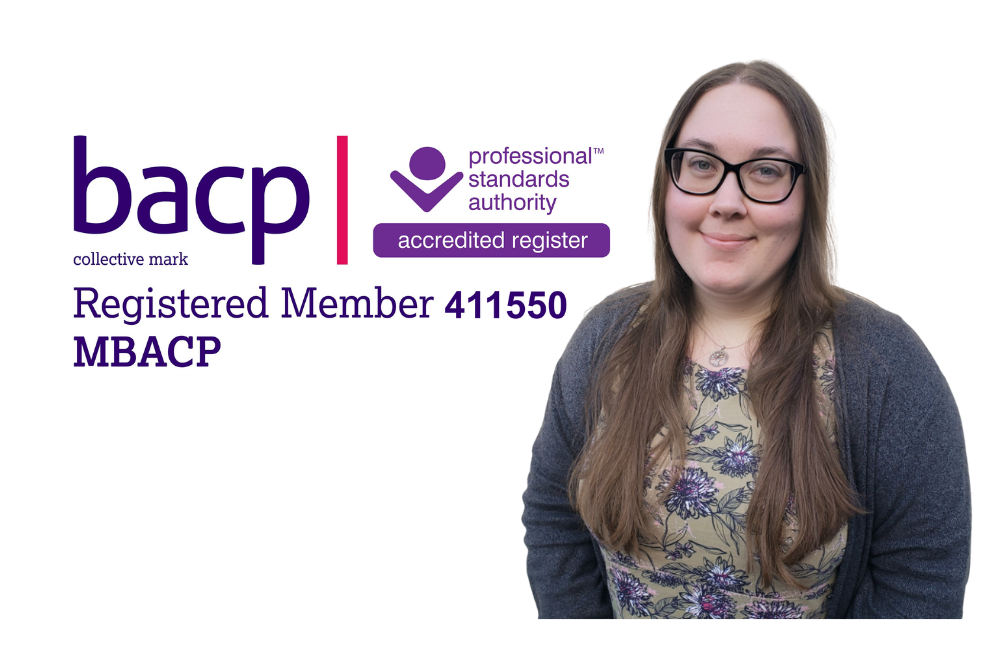
I am a qualified integrative therapeutic counsellor and a registered member of the British Association for Counselling and Psychotherapy (BACP).
 
My qualifications include:
  • Level 5 Diploma in Psychotherapeutic Counselling
  • Level 4 Diploma in Therapeutic Counselling
  • Open University BACP Counselling Online training
  • Level 2 and 3 Counselling Studies and Skills
  • Level 2 Certificate in Understanding Autism
  • NVQ Level 3 Health and Social Care
Alongside my private practice, I have experience working in counselling services, health and social care, disability support and therapeutic mentoring. I’ve supported neurodivergent young people and adults, people living with disabilities and mental health challenges, and individuals navigating trauma, burnout and relationship difficulties.

Are you guided by a professional code of ethics?

Yes. I am a registered member of the BACP (British Association for Counselling and Psychotherapy) and work within their ethical framework to help provide safe, professional and ethical counselling support.
 
I also:
  • attend regular supervision with a BACP-accredited supervisor
  • hold professional insurance
  • am ICO registered and GDPR compliant
  • have an enhanced DBS certificate
  • complete regular safeguarding and continued professional development (CPD) training
Creating a safe, respectful and trustworthy environment is at the heart of my practice.

You deserve a space where you feel heard,
respected and able to show up as yourself

Explore Counselling Services

Everyone’s experience of therapy is different, and the way you access support should feel comfortable and supportive for you. Whether you’re looking for face-to-face counselling in Bournemouth or remote therapy across the UK online or over the phone, you’re welcome to explore the different ways we can work together below.

You can learn more about each counselling service, what sessions involve, and which option may feel most suited to your needs.

In Person

In person sessions take place in a calm and confidential space in Bournemouth

Online

Video sessions enable you to access therapy from the comfort of your own home

Telephone

Voice only sessions for when speaking over the phone feels the most comfortable

“As no one else can know how we perceive,
we are the best experts on ourselves” - Carl Rogers

Start your therapy journey

Reaching out for counselling can feel like a big step, so take your time. There’s no pressure to have everything figured out or know exactly what you need before you get in touchYou can start by emailing me to introduce yourself or ask any questions. Once we’ve been in contact, we can arrange either:

  • a full 50-minute initial meeting session (£30), or
  • an optional 15-minute phone call if that feels easier for you first

The consultation is a chance for us to see if working together feels right, and there’s no obligation to continue.

Email: laura@laurawilliamscounselling.co.uk

This image shows woodland in autumn with leaves on the ground and a path running between the trees. - What to expect from counselling